Mayon Volcano

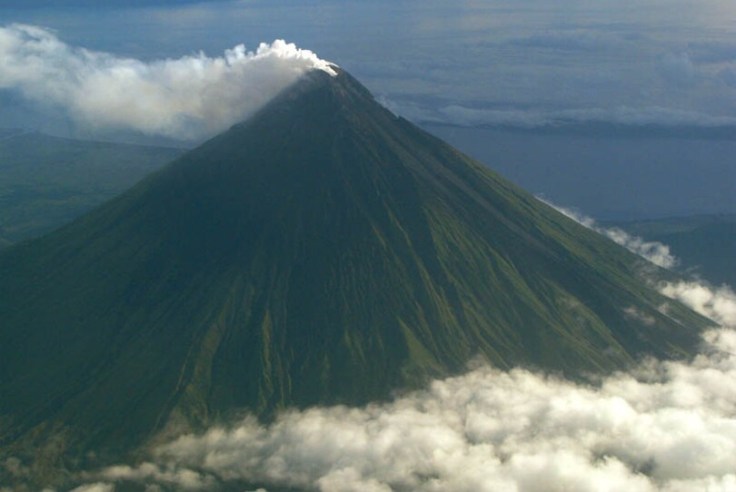
Famous for its “Perfect Cone”, the Mayon Volcano is the Philippines’ most active volcano and the most popular tourist destination in the Bicol Region. With a height of 2,463 meters, it is the centerpiece of the Albay province, which is about 300 kilometers southeast of Manila, the capital of the Philippines.

Mayon Volcano has had 49, recorded eruptions, and continues to be active. Through the years, life and property has been claimed by this wonder of nature. Its first recorded eruption was in year 1616. Even without volcanic activity, the volcano continues to be dangerous for climbers, including the more experienced ones. Its steep slope make it difficult for climbing, thus it has claimed the lives of climbers in the recent years. Rock avalanches and landslides are common. If you want to climb the volcano, you’ll have to work your way through the forest, grasslands, and deserts. The safest way is to pass on the north western slope, but you will have to register at PHILVOCS to climb. Once you reach the summit, be wary of the dangerous fumes emitted by the Volcano. A gas mask in hand will be really useful.

Apart from climbing, you can go nature hiking and marvel at the many wonderful animals such as the parakeet, red jungle fowl, owl, fruit dove just to name a few. You can also do many activities such as hiking, camping, climbing, bird watching as well as photography.

The best time to visit the volcano is between the months of March and May. Do not visit the volcano during rainy season (Nov to Jan) because it is more dangerous. You can go there by land through the Quirino highway, which is about 553 kilometers away. The journey will take about 8 to 10 hours, and many buses depart every day from Manila to Legaspi.

San Agustin Church, Manila

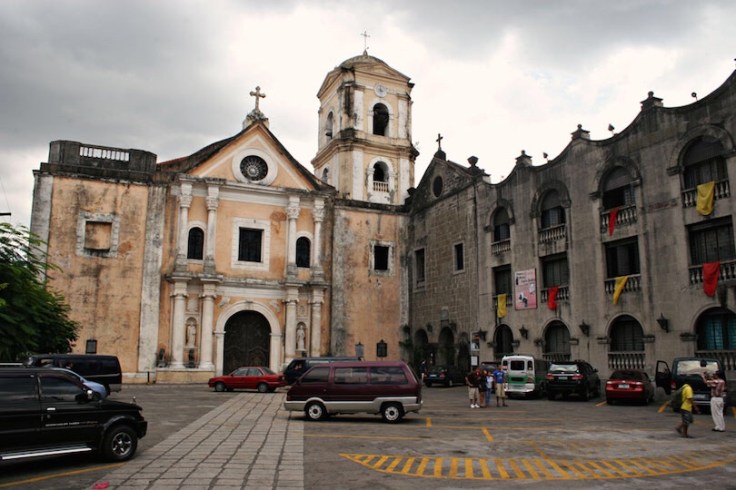
The San Agustin Museum Manila is located in Intramuros which features the church’s huge collection of religious art and other artifacts with some even dating back to 16th century.

The San Agustin Museum Manila is adjacent to the San Agustin Church, known as the Philippine’s oldest church. It is a treasury of religious art pieces. This museum is housed in the adjacent San Agustin Monastery, and exhibits art and artifacts from the Philippines, Spain, Mexico and other cultural centers. The original Augustinians arrived in the Philippines in 1565 just a few decades after Magellan explored the islands, meaning that the aforementioned museum is no slouch. Despite having been damaged by British forces in the 18th century, American forces in the 19th century, and the Japanese in the 20th, it’s in fine fettle (partially owing to a painstaking restoration effort undertaken in the 1970s).

While you are at the San Agustin Church, you might want to also take a look around the San Agustin Museum nearby. Connected to the centuries-old church through a passageway from the balcony, the San Agustin Museum preserves the church’s ecclesiastical relics and artworks such as wooden and ivory statues, Dominican paintings and sculptures, renditions of the galleon ships, the church’s 3400-kilogram bell and other architectural emblems of Spanish Catholicism.

The hallways are lined with large paintings of saints, approximately 2 meters in height, and the rooms, which used to be the sleeping quarters of the friars, have various statues and other art pieces on display. On the 2nd floor, there’s a room where you can see the inside of the church from above. The ceilings look like they are carved, but it is actually a Trompe-l’œil.

Tubbataha Reef

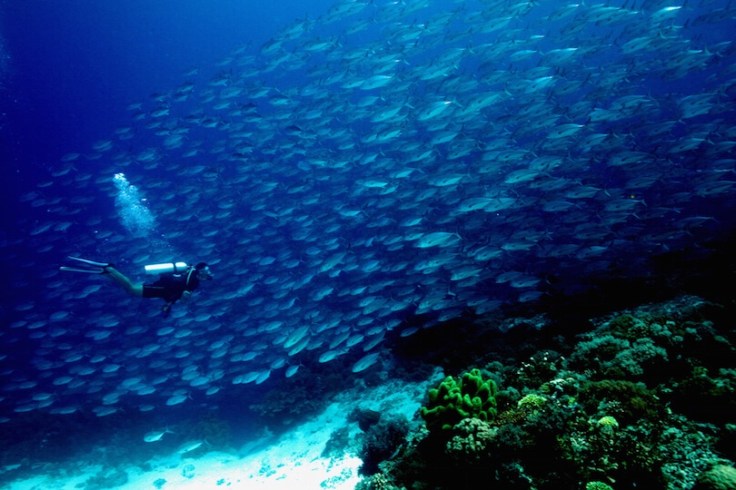
The Tubbataha Reef Marine Park, located in the Philippines, is truly an example of nature’s beautiful creation one shouldn’t miss in their lifetime. It is one of the rare atoll reefs that provide life for a variety of marine species as well as magnificent corals. The park is 33,200 hectares covering the North and South Reefs. The Northern part is also a nesting ground for marine turtles, as well as a variety of tropical birds.

Tubbataha Reef, although a great wonder on its own, is a newcomer to the world of tourism. Actions have been taken to make local Filipinos and the world aware of this special gift of nature. Many people travel across the globe to catch sight of this reef. Without immediate measures of preservation, the rare marine life found in Tubbataha Reef might not last for long.

There have been numerous attempts of illegal fishing in this area. The good news is there is an increase in awareness and protection. The area provides the main livelihood for many municipalities. But they now understand how important it is to preserve the marine life in this area. The reef is now a World Heritage site and is helping many local businesses develop new revenues from their livelihood. There is even a possibility of expanding the park. The management is continually making progress.

Tubbataha Reef is now a famous tourist destination. And the proceeds go to its preservation and development of the community. It is a perfect place for all you divers and nature lovers. It also makes for an idealistic sea adventure and a great way to get a close observation into the wonders of marine life. The locals are warm and hospitable. If you want a place to breathe the fresh air and gaze at the beauty of the sea teeming with marine life, Tubbataha Reef is the place to be. You would also be helping the conservation of nature.

Blog at WordPress.com.

Up ↑

Design a site like this with WordPress.com
Get started